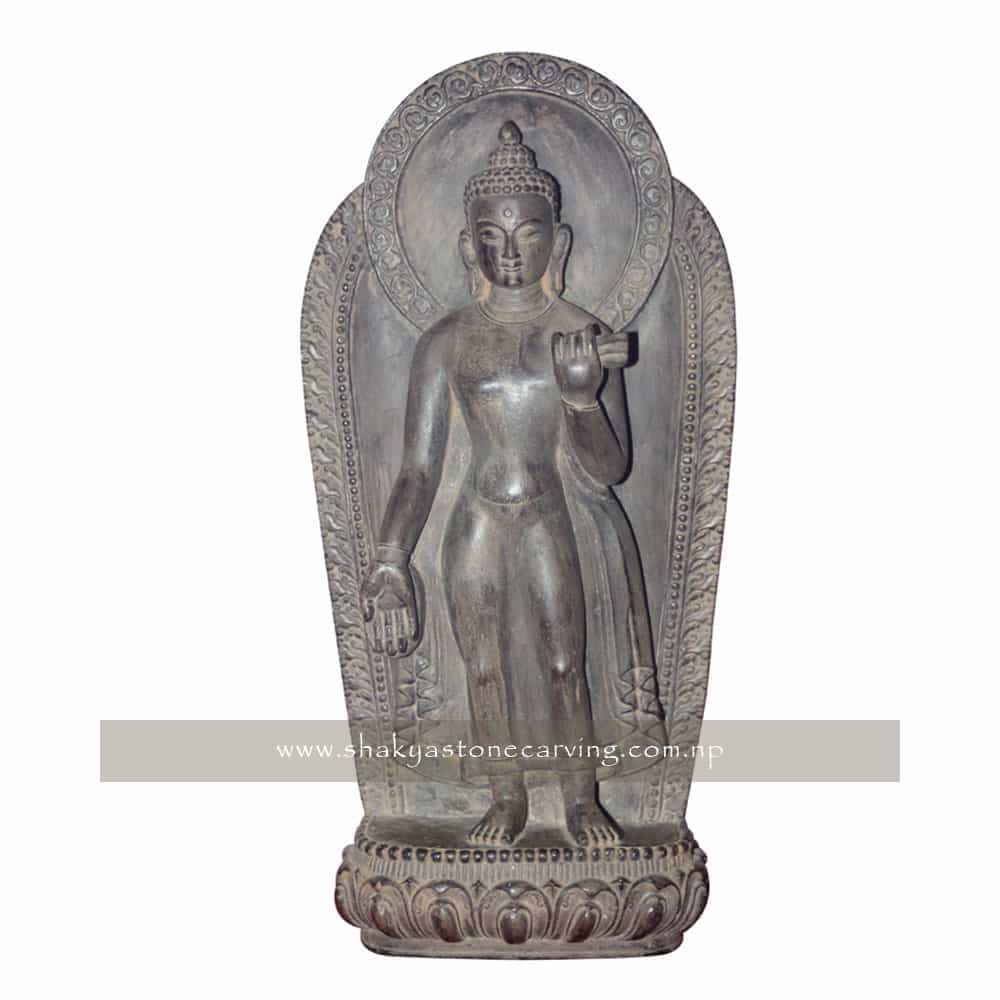


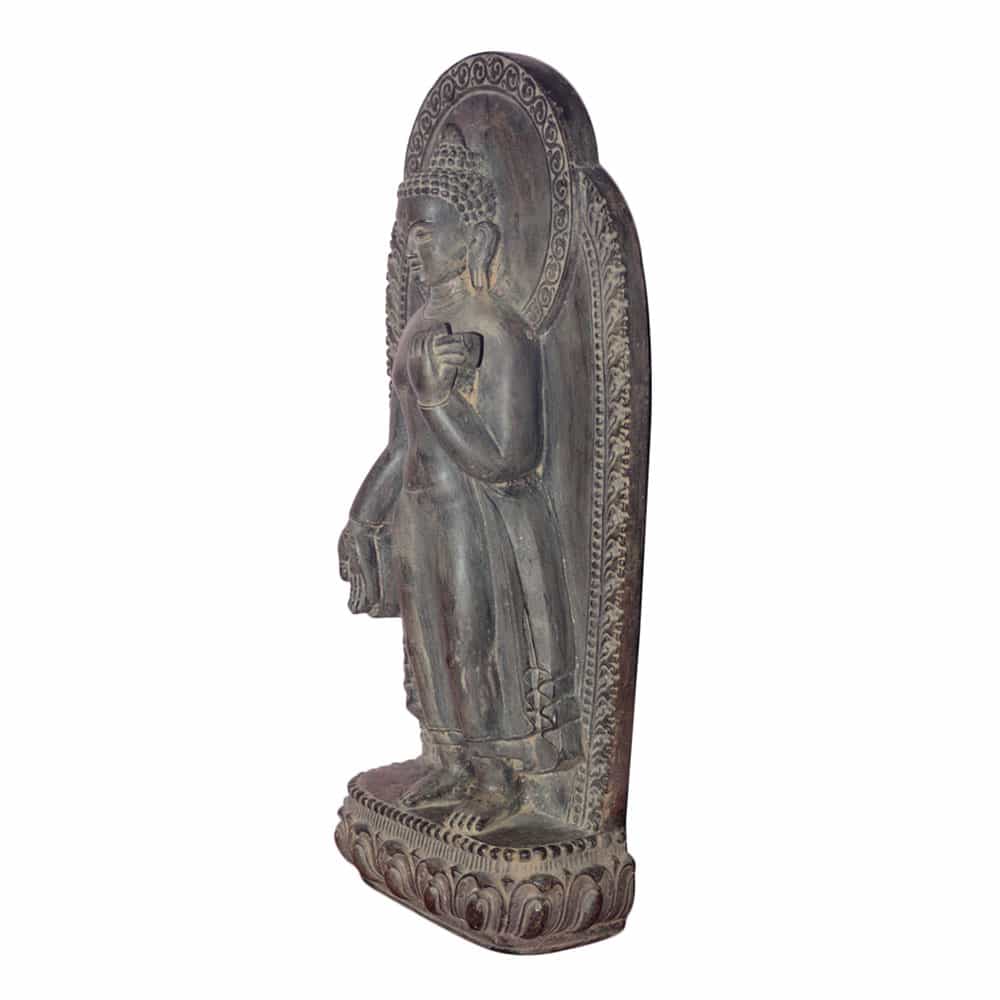
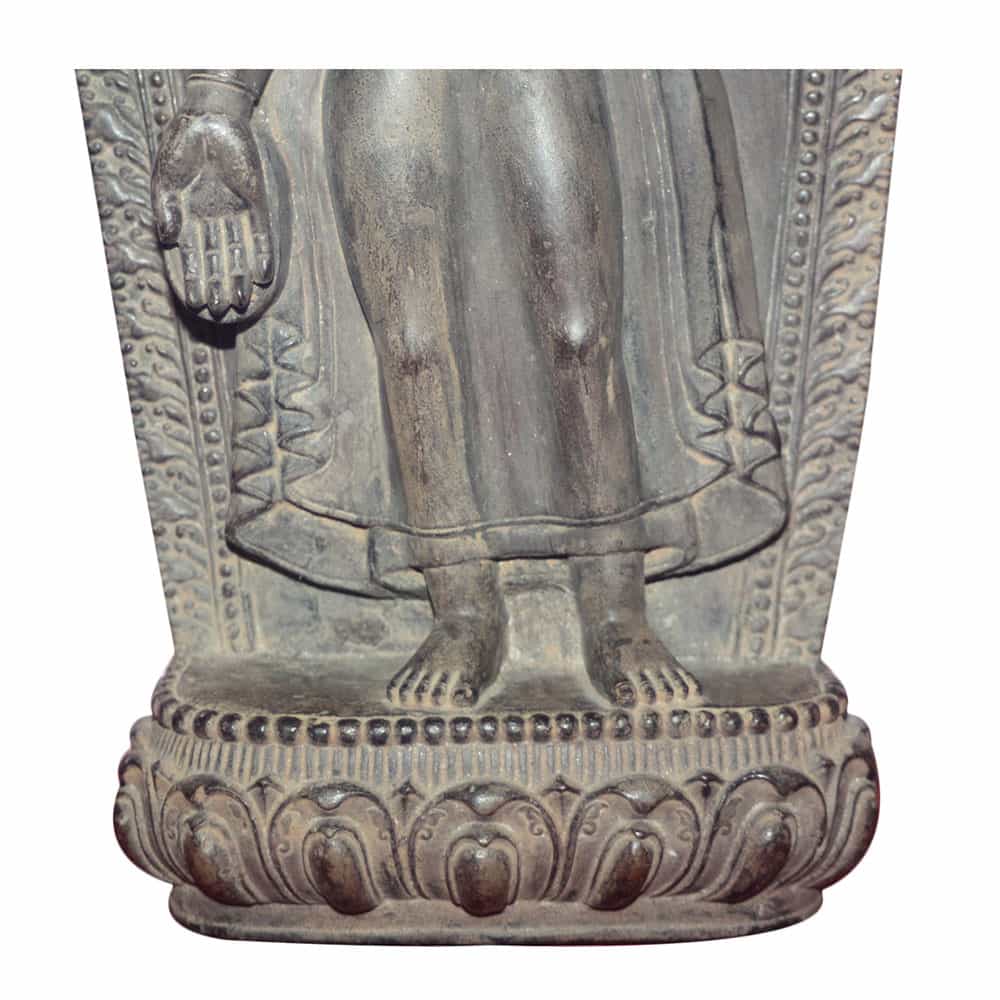
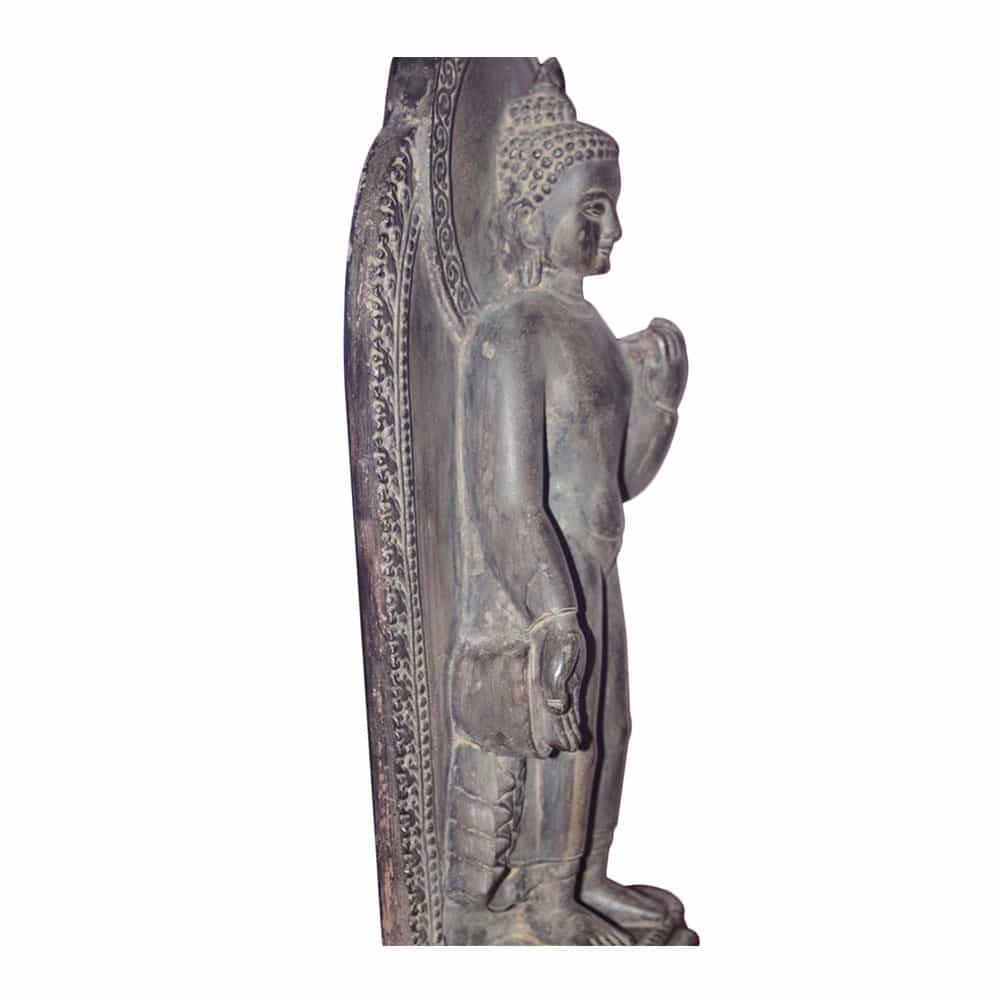
Description
General Definition:
Bodhisattva (Tibetan: jang chub sem pa. English: heroic aspirant to enlightenment): The word bodhisattva from the Sanskrit language is a Buddhist technical term relating to motivation, qualification, and level of spiritual attainment. It is a primary term found in the Mahayana Sutras as practiced in Northern Buddhism (North India, Himalayas, Central Asia and East Asia) and its meaning is included in the definition of Mahayana Buddhism distinguishing it from other forms of Buddhism such as Theravada of South Asia.
There are many bodhisattva mentioned in the various Mahayana Sutras. The Eight Great Bodhisattva are a later grouping of what are considered the most important. In the Mahayana Sutra Tradition there are several lists of eight and sixteen great bodhisattva. Following that, in the Himalayan and Tibetan tradition, the names are generally listed as found above. In the Pali Sutras only two bodhisattva are mentioned, the historical buddha with reference to his previous lives (Jatakamala), and the buddha of the coming eon, Maitreya, currently residing in the Tushita heaven. The meaning and function of the eight bodhisattva as depicted in Himalayan art is to represent the Mahayana Sutras and teachings along with the congregation of enlightened students of the Buddha.
Art Definition: Bodhisattva Appearance (Peaceful Appearance)
From the point of view of Himalayan style art bodhisattva is a term used to describe a peaceful god-like appearance based on the deities of classical Indian literature and the classic Hindu pantheon. As described in the literature of the Buddhist Sutras and Tantras, male and female figures are portrayed as beautiful, wearing silks and jewels, playful and relaxed in posture and depicted in the bloom of youth, sixteen years of age. Gender is often difficult to distinguish. Examples of these subjects are Manjushri, Avalokiteshvara and Maitreya for the males and Taraand Sarasvati for the females. Bodhisattva appearance, peaceful appearance, and god-like appearance are all synonymous and generally applied to subjects that are peaceful, non-historical human, non-wrathful, and non-buddha-like in appearance. Bodhisattva appearance is more commonly known as Peaceful Appearance and is one of the Eleven Figurative Appearances in Himalayan and Tibetan art.
Religious & Textual Definition:
As a religious term bodhisattva means a heroic aspirant to enlightenment. An individual becomes a bodhisattva by taking up the enlightenment thought (bodhichitta) through one of two standard rituals, sometimes called an ordination, following either of the paramount philosophical schools of Yogachara or Madhyamaka. A bodhisattva is a practitioner of the enlightenment thought which is the aspiration to achieve complete enlightenment as a perfect Buddha for the benefit of oneself and all other sentient beings in the universe.
Eight Great Bodhisattva:
– Akashagarbha: Womb of Space Sutra
– Avalokiteshvara: Heart Sutra, Lotus of the Good Law Sutra
– Kshitigarbha: Earth Store Sutra
– Maitreya: mentioned in the Pali Sutras as the next buddha, Mahayana Sutras
– Manjushri: Vimalakirti-nirdesha Sutra, Flower Garland Sutra, Prajnaparamita Sutras
– Nivarana-vishkhambhin
– Samantabhadra: Lotus of the Good Law Sutra, Flower Garland Sutra
– Vajrapani: Early Sutras


Reviews
There are no reviews yet.